MENTAWAI SURF LEVEL GUIDE
Is Mentawai Good
for Intermediate Surfers?
A realistic guide to the surf level, confidence, reef awareness, paddle fitness, and support you need before joining a Mentawai surf trip.
Key Takeaways
- Mentawai is not only for pros: Intermediate surfers can enjoy Mentawai when the trip is guided, conditions are matched to their level, and expectations are realistic.
- You should already be catching green waves: Mentawai is not ideal if you are still learning only in whitewater or need help standing up on every wave.
- Reef awareness matters: Many Mentawai waves break over reef, so confidence, timing, and respect for the environment are important.
- A guided trip helps progression: Coaching, local knowledge, spot selection, and video feedback can help intermediate surfers get more from the trip.
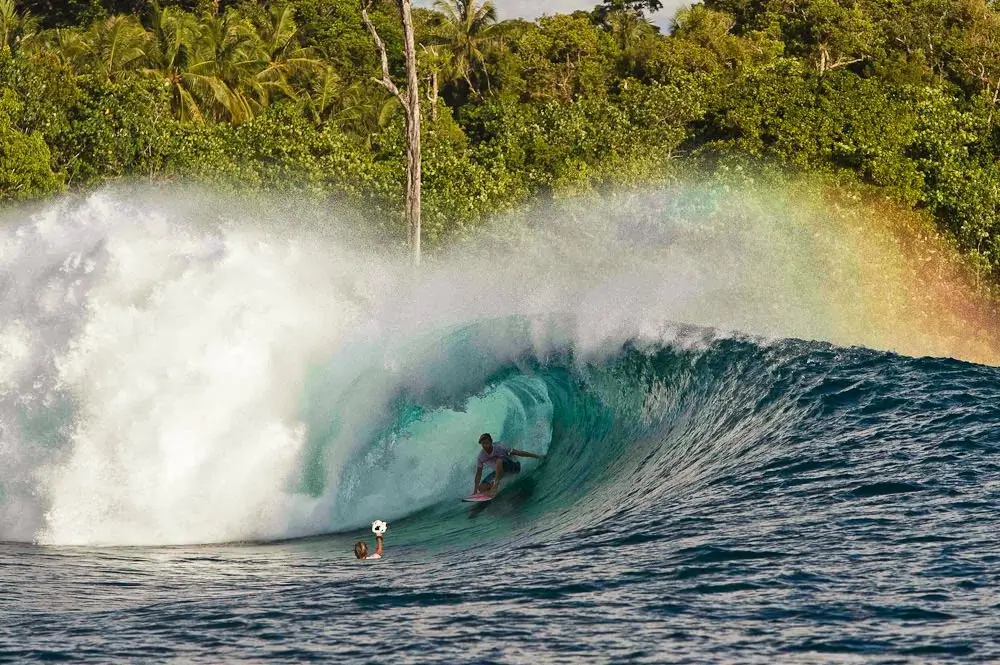
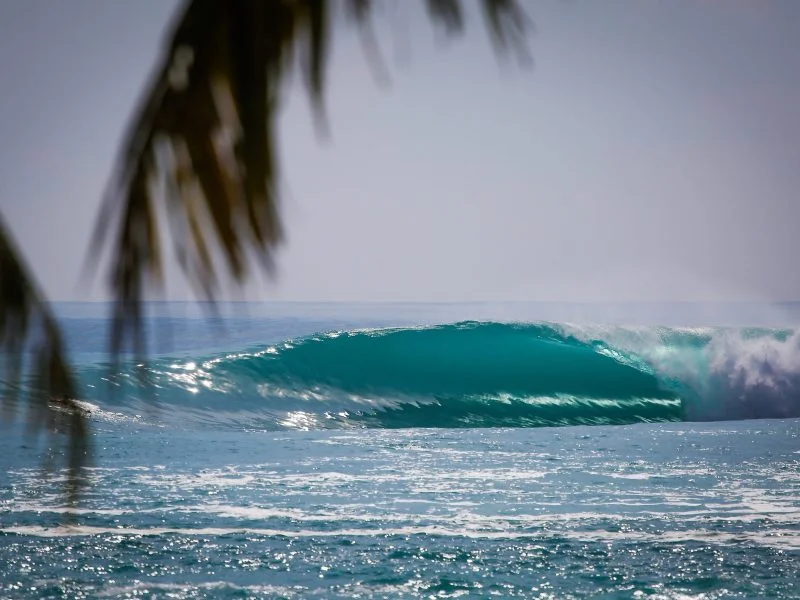
Some Mentawai waves are powerful, shallow, and better suited for advanced surfers. Others can be more manageable on the right day, especially with smaller swell, better tide, and a guide who understands which spot fits the group’s ability.
This is why the question is not simply “Am I good enough for Mentawai?” A better question is: “Can I join a trip that will choose the right waves for my level?”
For intermediate surfers, Mentawai can be one of the best places to progress. You get clean waves, clear water, warm conditions, and repeated opportunities to work on timing, positioning, and confidence. But you need to arrive with a solid foundation.
Before booking, you should ideally be comfortable catching unbroken green waves without needing a push every time. You should be able to paddle into waves, stand up with control, and ride across the face instead of going straight only.
You do not need to perform advanced turns or surf heavy barrels. But you should be able to manage yourself in a lineup, understand whose wave it is, and avoid putting yourself or others in risky situations.
If you can surf waist-high to shoulder-high waves confidently, control your board, paddle back out without panic, and listen to guidance, you may be ready for an intermediate-friendly Mentawai trip.
If you still rely on whitewater, struggle to paddle into waves, or feel unsafe when the water is deeper or the wave is faster, it is better to build more experience first in a beginner-friendly surf destination.
- Paddling confidence: You should be able to paddle for multiple sessions and handle some current or movement in the water.
- Green wave takeoff: You should already be taking off on unbroken waves, not only whitewater.
- Basic turning: You should be able to angle your takeoff and ride along the wave face.
- Lineup awareness: You should understand priority, spacing, and how to avoid dropping in.
- Board control: You should be able to manage your board safely, especially around other surfers.
- Listening to guidance: In reef environments, following instructions from coaches or guides is important.
You do not need to master all of these perfectly, but you should have enough control to keep learning safely. A guided trip can help you improve, but it should not replace the basics.
Reef breaks are not automatically dangerous, but they require respect. You need to understand that the bottom may be shallower, the wave may break in a more predictable but faster way, and falling in the wrong place can have consequences.
Intermediate surfers should pay attention to tide, entry and exit points, where to sit in the lineup, and how to avoid getting caught inside unnecessarily.
This is where local guidance becomes valuable. A good guide can explain the wave, help choose the safer window, and make sure you are surfing a spot that fits your confidence level.
If you have never surfed reef before, that does not always mean you cannot go to Mentawai. But it does mean you should choose a trip that takes progression, safety, and spot selection seriously.

In Mentawai, you may surf more than once a day. You may paddle back to the peak repeatedly, wait for sets, move around the lineup, or handle longer sessions than you are used to at home.
You do not need to train like a professional athlete, but it helps to prepare your shoulders, back, core, and general stamina before the trip. Swimming, paddling practice, mobility work, and regular surfing before arrival can all help.
The fitter you are, the more relaxed you will feel in the water. That confidence often leads to better decision-making, better wave selection, and a more enjoyable trip.
Mentawai may be too early if you are still learning to stand up, only surf whitewater, cannot paddle into waves by yourself, or feel uncomfortable when you cannot touch the bottom.
It may also be too early if you do not yet understand basic surf etiquette, cannot control your board safely, or panic easily when a set comes through.
If that sounds like your current level, the better move is to build your foundation first. A destination like Lombok can be a great place to develop confidence, learn proper takeoff technique, improve paddling, and get used to reading waves before planning a more remote reef-focused trip.
Mentawai will still be there when you are ready. And when you arrive with better skills, you will enjoy it much more.
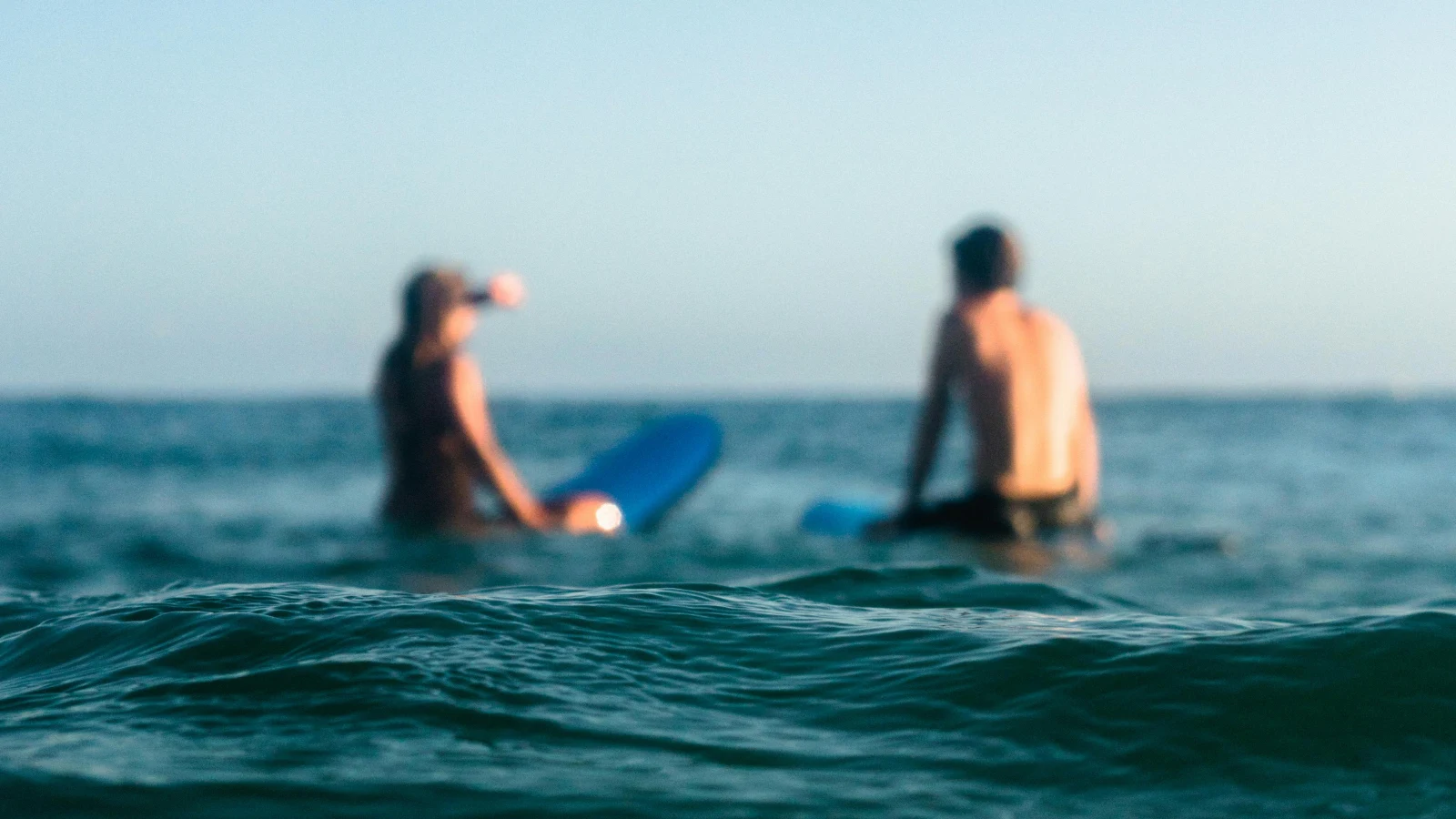
A guided trip helps with daily spot selection, timing around tide and wind, understanding the lineup, and deciding when to push yourself or when to stay within a safer range.
Coaching can also help you understand what is actually holding you back. It may be your paddle angle, takeoff timing, body position, bottom turn, or confidence in steeper sections.
When this feedback is combined with video or photo documentation, you get a clearer view of your surfing. Many intermediate surfers feel something in the water, but only understand it properly once they see it from the outside.
That is what makes a guided Mentawai trip valuable. It is not only about accessing waves. It is about learning how to surf them better.
Nuna Surf Mentawai Surf Trip
Nuna Surf’s Mentawai Surf Trip is designed for surfers who want a more structured, guided, and supportive experience in one of Indonesia’s most iconic surf regions.
For intermediate surfers, this kind of setup can be especially helpful. The trip combines daily surf sessions, coaching support, local guidance, and documentation to help you surf with more confidence and improve along the way.
If you are unsure whether your level is ready, the best next step is to check the trip details and speak with the team before booking.
Explore the full trip here: Mentawai Surf Trip by Nuna Surf
If you already catch green waves, paddle confidently, understand surf etiquette, and want to improve in a more challenging environment, Mentawai can be an unforgettable next step.
If you are still building the basics, it is better to spend more time in beginner-friendly waves first. The goal is not to rush into Mentawai. The goal is to arrive ready enough to enjoy it.
With the right guidance, realistic conditions, and a supportive setup, an intermediate Mentawai surf trip can be more than just a holiday. It can be a turning point in your surfing.
Ready to check if the trip fits your level? Visit the Mentawai Surf Trip page or contact Nuna Surf to ask about dates, availability, and surf level recommendations.